Introduction
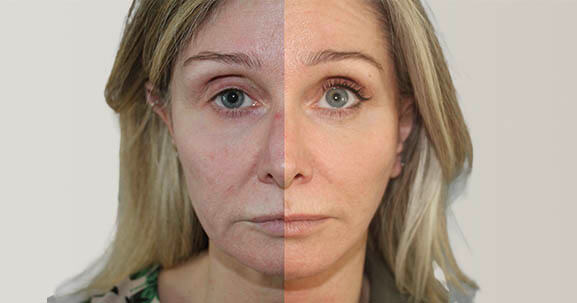
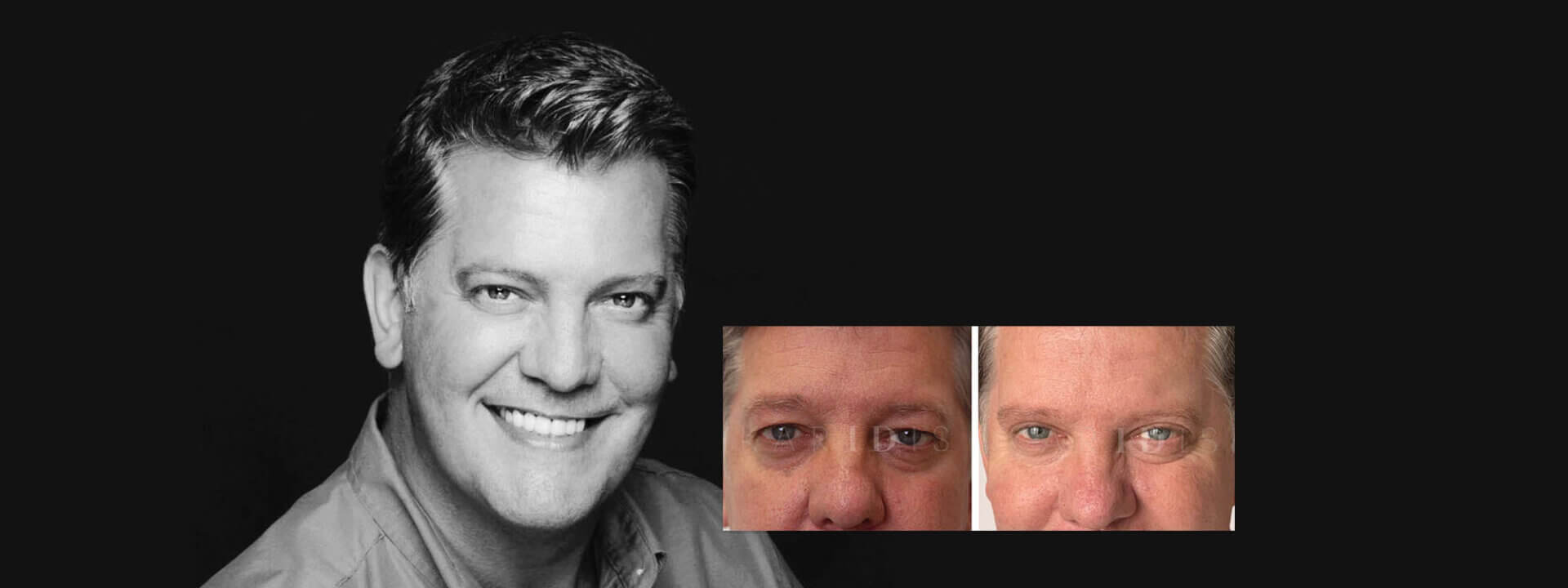
A forehead lift or "browlift" is a procedure that restores a more youthful, refreshed look to the area above the eyes. Brow lifts are an important part of eyelid and upper face rejuvenation. A browlift effectively repositions the eyebrows and smoothes the forehead to address one of the very first signs of aging, the lengthening of the forehead and drooping of the eyebrows. Sun, wind, excessive squinting and the pull of gravity all affect the face resulting in frown lines, wrinkling across the forehead, and an increasing heaviness of the eyebrows. Even people in their thirties may sometimes have faces that look older than their years. Some times people inherit low set heavy brows which can at times make them look angry, sad or tired. This tired, angry, or sad expression may not reflect how you actually feel however. As a result, many people opt for this procedure in order to give them a more youthful, awake and alert appearance.
Moreover many people are not aware of the impact that descent of the brow has on the appearance of our upper eyelid skin. As the brow drops, the skin in the area of the upper eyelid region becomes fuller and can cause significant skin overhang in the upper eyelids. In fact upper eyelid fullness can sometimes mistakenly be treated by removing upper eyelid skin alone (upper blepharoplasty), when the real problem is actually caused by low eyebrows. In reality however the problem is more complex and is usually caused by a combination of drooping brow and excess skin of the upper eyelids. This is why many times upper eyelid surgery is performed at the same time as a brow lift. Moreover, a brow lift is quite often performed in conjunction with a facelift to provide a more harmonious and balanced overall look to the face.
The best candidate for a Browlift is a man or woman between the ages of 40-60 years range in whom it will minimize the visible effects of aging and give a brightening effect to the upper face area. However, it can also help people of any age who have developed furrows or frown lines due to stress or muscle activity. Individuals with inherited conditions, such as a low, heavy brows or furrowed lines above the nose can achieve a more alert and refreshed look with this procedure.
Good candidates for browlift have dense hair without a receeding hair line. Thin hair, marked assymetery of their face or eyebrows, or skin which has been damaged by years in the sun make surgical correction more difficult.
For a better understanding of how a forehead lift might change your appearance, Mr. Karidis will sit you in front of a mirror and then gently elevate your forehead to the position he feels will enhance your appearance. He will then ask you what you think and together you can reach an agreement as to what can and should be achieved.
Patients who are however bald and or have a receding hairline, or who have had previous upper-eyelid surgery may still be candidates for forehead lift. However there may be limitations and or alterations in the position of the scars, and which will be discussed at the consultation.
At the time of consultation Mr. Karidis will ask you about your general medical history, specifically pertaining to any medical conditions that could cause problems during or after surgery, such as uncontrolled high blood pressure, blood clotting problems, or a tendency to form excessive scars. Slight differences in facial and brow symmetry are normal and will be pointed out as many times these are unnoticed by the patient.
If you are a smoker you will be asked to stop smoking well in advance of surgery. Smoking seriously constricts blood vessels and therefore decreases blood flow to a given area resulting in poor healing. Aspirin and aspirin containing medications (discussed in DO'& DON'TS section) can cause increased bleeding, so you should avoid these.
If you're contemplating browlift surgery, then this information will give you a basic understanding of the procedure. It can't answer all your questions since a lot depends on the individual patient. However, any specific questions should always be addressed at the consultation.