Introduction
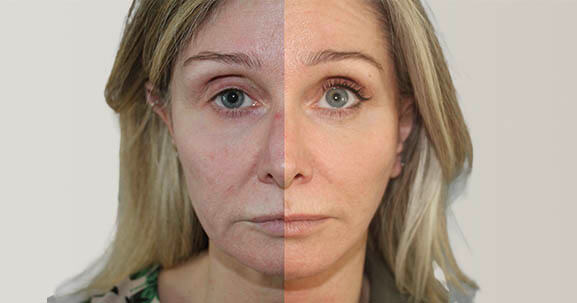
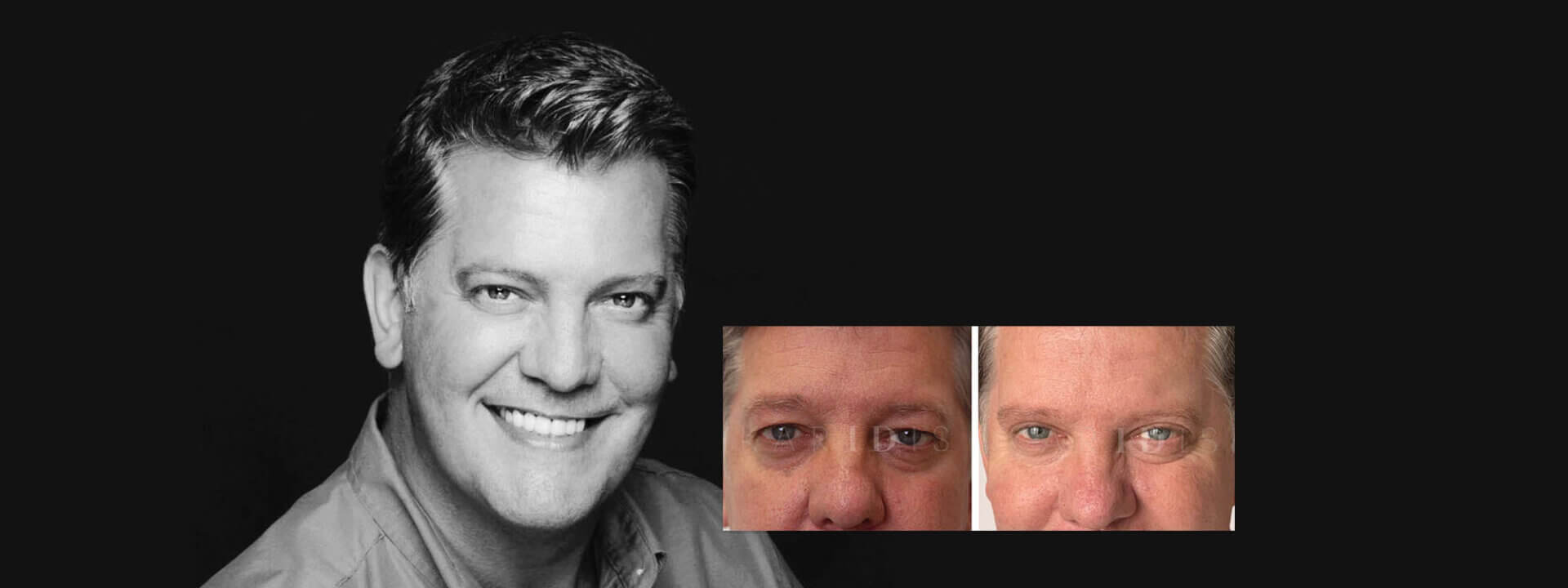
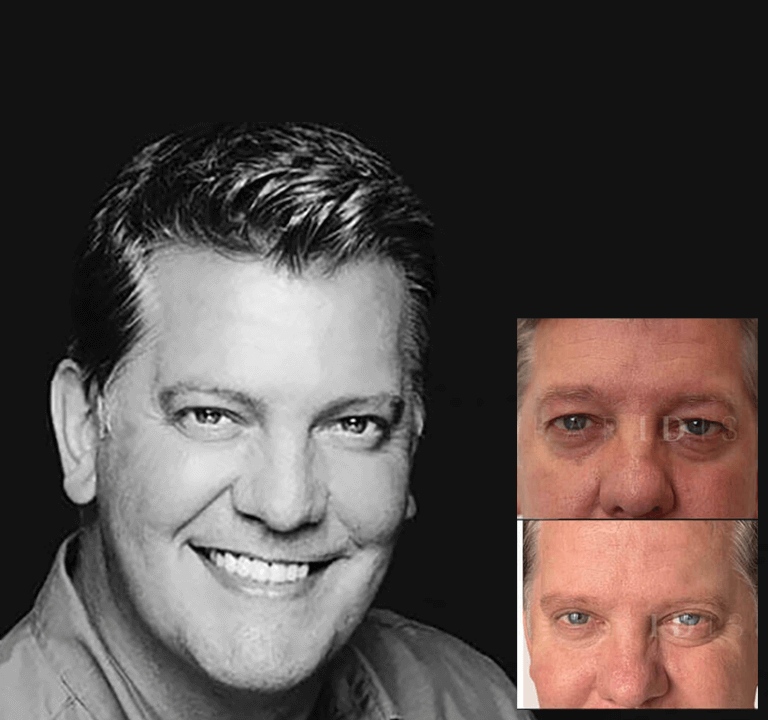
Traditionally, the mid face has always been an area of the face that has been somewhat neglected by patients and surgeons alike. Most people pay attention mainly to the neck, the jawline, eyelids and forehead and request treatment for this. Of course the various facelift and blepharoplasty techniques on offer can satisfactorily address the above. However the area below the lower eyelids and your mouth as well as around the cheekbones –the area called the mid-face- has always been somewhat trickier. As you age, the effects of gravity, repeated muscle contraction, and lifestyle cause the skin, fat, and muscle in this region to move downwards. When this occurs, the cheeks begin to look saggy or flat, the lower eyelids can become puffy or hollow, and circles begin to appear under the eyes. Furthermore the lines between the nose and the corner of the mouth deepen.
As a result newer techniques have been developed to improve this flattening and the descent seen in the mid face, and which can be successfully addressed with a Mid face lift. This procedure effectively lifts the middle segment of the face by restoring the volume and fullness as well as enhancing the appearance of the cheekbones. When performed skillfully, a midface lift will deliver a natural but noticeable improvement.
The best candidate for a facelift is a man or woman whose face and neck have begun to sag, but whose skin still has some elasticity. There is no need to wait until hanging folds or almost irreversible changes have taken place. In fact increasingly these procedures are being carried out on younger patients. These days, many patients prefer earlier corrections to maintain youthful appearances, and therefore avoid living through a period of looking "old and tired". If your cheeks are sagging or have flattened over the years, if your lower eyelids are puffy with dark circles or have "hollowed out," or if your smile lines have deepened, you’re probably a good candidate for a midface suspension. Of course the best way to determine if a midface suspension is right for you is by a thorough consultation with your surgeon.
At the time of consultation Mr. Karidis will ask you about your general medical history, specifically pertaining to any medical conditions that could cause problems during or after surgery, such as uncontrolled high blood pressure, blood clotting problems, or a tendency to form excessive scars. Slight differences in facial symmetry are normal and will be pointed out as many times these are unnoticed by the patient.
If you are a smoker you will be asked to stop smoking well in advance of surgery as well as for a period after the operation(generally 4 weeks before and 4 weeks after). Smoking seriously constricts blood vessels and therefore decreases blood flow to a given area resulting in poor healing. Aspirin and certain anti-inflammatory drugs and other medications (discussed in DO'& DON'TS section) can cause increased bleeding, so you should avoid these.
If you're contemplating a mid-facelift surgery, this information will give you a basic understanding of the procedure. It can't answer all your questions since a lot depends on the individual patient. However, any specific questions should always be addressed at the consultation.